Steam carpet cleaning and low-moisture carpet cleaning get used like they mean the same thing, but they are two different processes with different amounts of water, different drying needs and different carpets they work best on. Most of what people call steam cleaning is actually hot water extraction: no real vapor is involved, just hot water and a strong vacuum. Low-moisture cleaning, sometimes called dry carpet cleaning, uses a fraction of that water, or a dry cleaning compound instead.
This guide breaks down how each method actually works, what the moisture difference means for drying and for carpets prone to mold or shrinking, what each one tends to cost, and what you can reasonably do yourself between professional visits. The goal is to help you pick the right method for your home, not just the one that sounds more thorough.
What people mean by steam cleaning
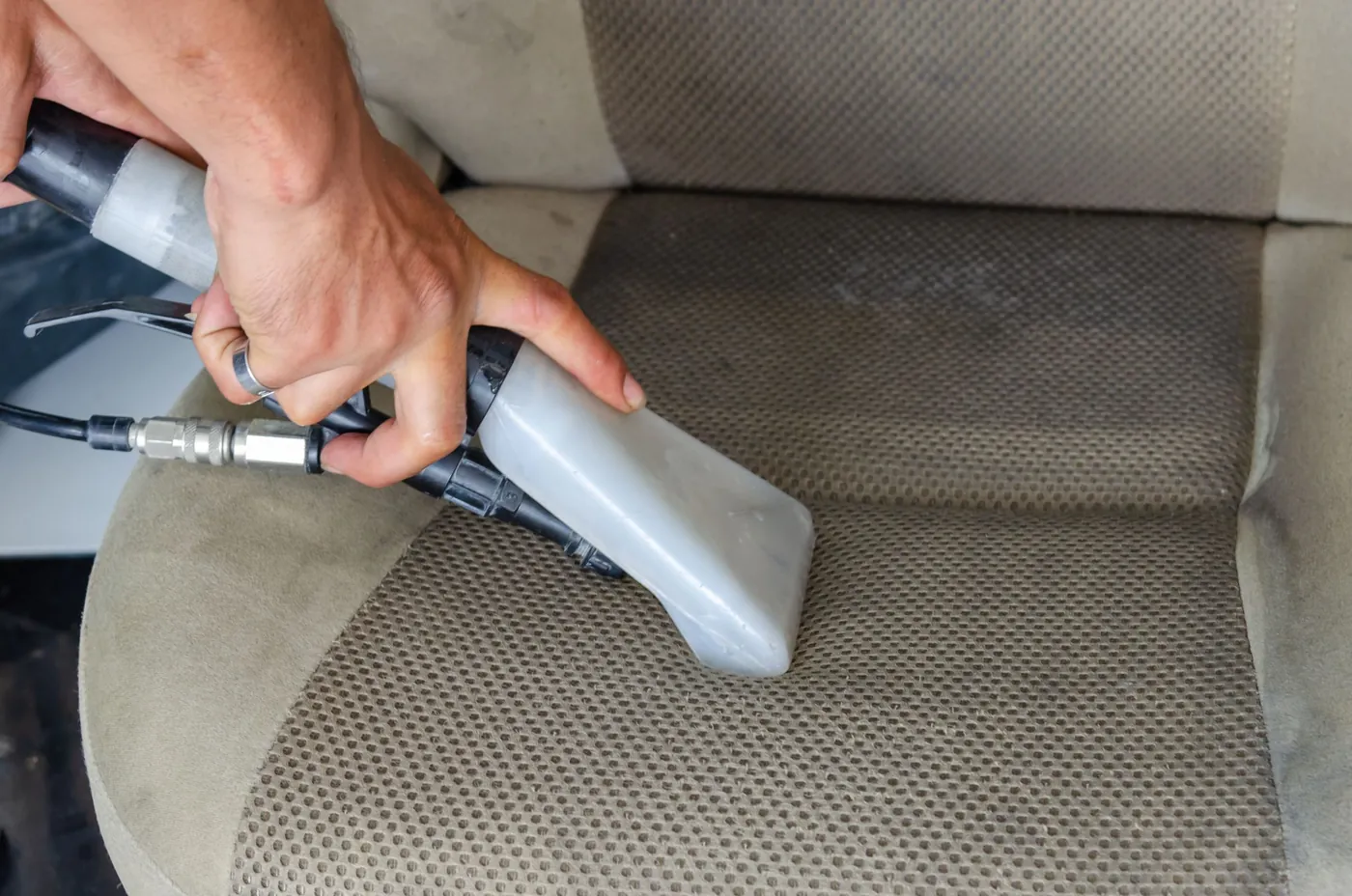
Most companies that advertise steam carpet cleaning are describing hot water extraction. A machine heats water mixed with a cleaning solution, forces it deep into the carpet fibers under pressure, agitates the pile and then pulls the water and loosened soil back out with a powerful vacuum. Some companies run this from a truck mounted unit with long hoses through a window or door, and others use a portable machine carried inside the home.
Hot water extraction is a solid choice for heavily soiled synthetic carpet, high traffic rental turnovers or a carpet that has not been cleaned in years, since the heat and volume of water help break down built up grime. The tradeoff is that it puts a real amount of water into the carpet and pad, which takes time and airflow to dry out fully.
What low-moisture carpet cleaning means
Low-moisture cleaning, often marketed as dry carpet cleaning, aims to clean with as little water as the job allows. Some systems use an absorbent dry compound that gets brushed into the carpet, picks up soil and is then vacuumed back out. Others, like the method we use at Belmax Cleaning, rely on a portable extraction machine that applies a light mist of cleaning solution and pulls it back out quickly, so the fibers get cleaned without being soaked.
Because there is less liquid going in, there is less liquid that has to come back out or evaporate afterward. That makes low-moisture methods a common choice for offices, apartments, delicate fibers like wool blends and homes where a flood of water near baseboards or wood floors is a real concern.
Moisture and drying: the real difference
The honest answer is that neither method dries instantly, and the exact time depends on your carpet type, the padding underneath, the humidity in the room and how much airflow you give it afterward. What changes between the two methods is how much moisture goes in to begin with. A low-moisture clean leaves the carpet damp to the touch rather than wet, while a full hot water extraction puts more water into the pad, which simply takes longer to work its way out.
Either way, running fans, opening windows when the weather allows it or turning up the air conditioning after a cleaning speeds things along. Walking on damp carpet in socks rather than shoes, and keeping furniture legs off the carpet with small plastic tabs until it is dry, also helps avoid new marks while everything finishes drying.
Which method is safer for mold risk and sensitive carpets
Massachusetts summers get humid, and a basement or a ground floor room with poor airflow is exactly where excess moisture lingers longest. If a carpet stays damp for an extended stretch, that is when a musty smell or mildew can start underneath, especially over a glued down pad or in a room without good ventilation. Low-moisture cleaning lowers that risk simply because there is less water sitting in the fibers and pad in the first place.
Natural fibers like wool and some wool blend carpets are also more prone to shrinking, browning or color bleed when they are soaked, so a low-moisture approach tends to be the safer call there. Standard synthetic carpet with good padding and decent airflow can usually handle either method without issue, which is part of why asking about the process, not just the price, is worth doing before you book.
Cost differences between the two methods
Pricing varies by company and by how a job is measured, whether by the room, by square footage or with a flat per visit rate, so it is worth comparing like for like. At Belmax Cleaning, carpet cleaning starts at $50 per standard room, or $0.40 per square foot over 300 square feet for larger or open concept spaces, with stairs priced at $6 per step. There is a $120 minimum per visit, and the final price is confirmed with you before any cleaning starts.
Hot water extraction and low-moisture cleaning are usually priced in a similar range for a comparable carpet and square footage, since the time and labor are closer than people expect. The bigger cost swing usually comes from add ons like heavy stain treatment or pet urine, not from which core method is used.
What you can reasonably do yourself
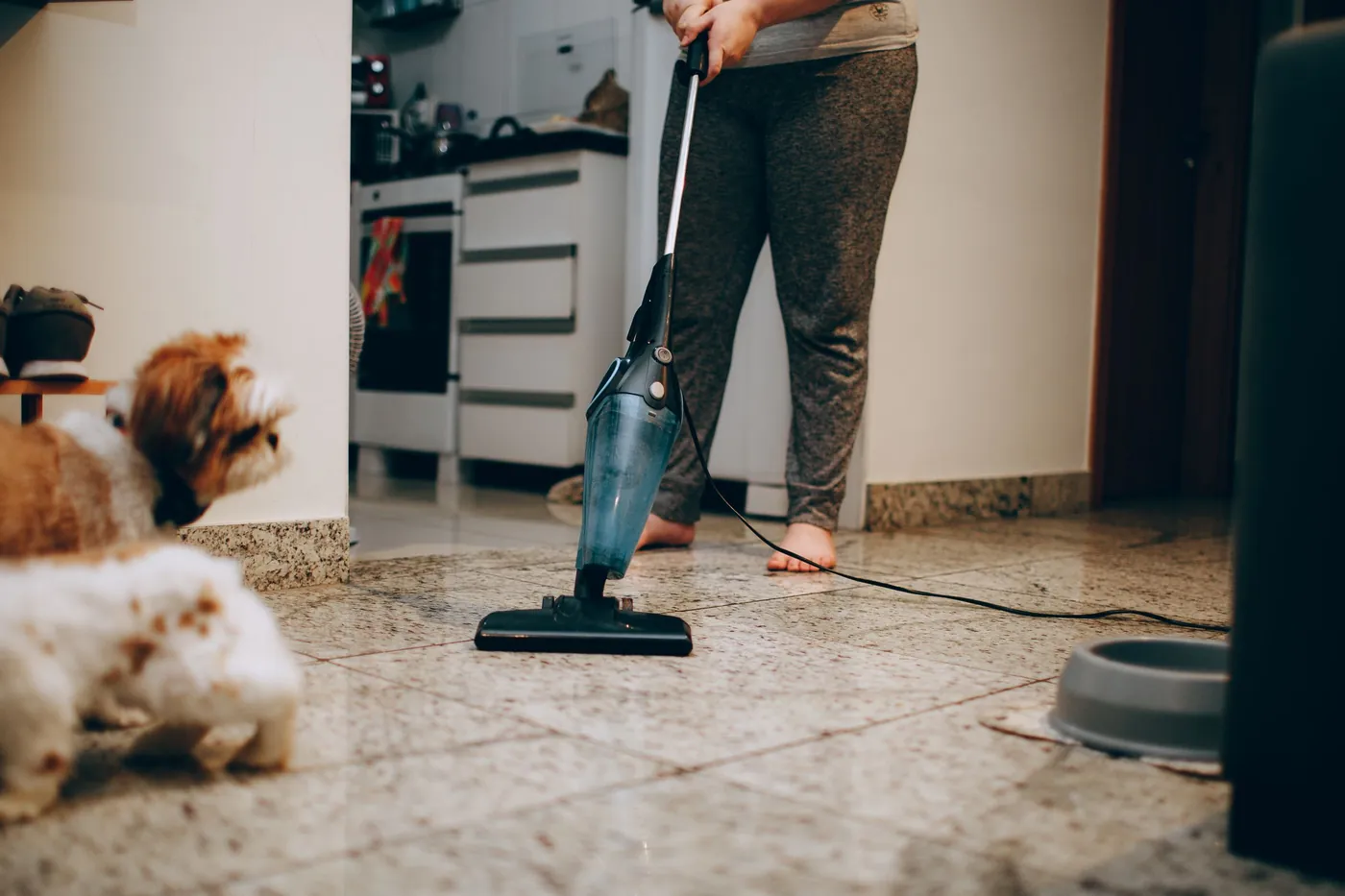
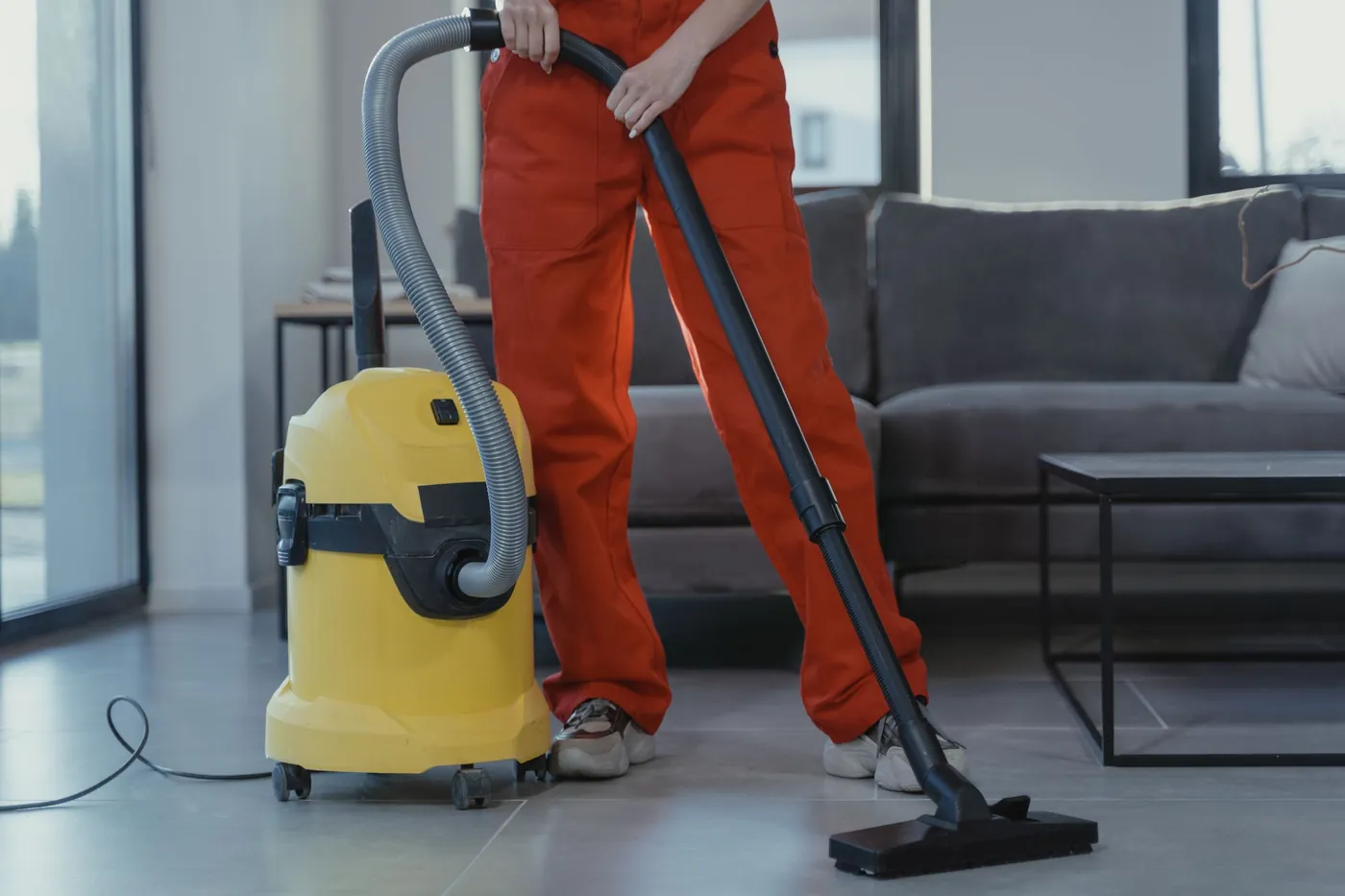
Vacuuming twice a week in high traffic areas and immediately after any spill keeps grit from working its way deep into the pile, which is most of what makes carpet look dingy over time. For a fresh spill, blot rather than rub, and use as little liquid as possible so you are not creating the same moisture problem a low-moisture service is designed to avoid.
Store bought dry carpet cleaning powders and light encapsulation sprays can refresh traffic lanes between professional visits, as long as you vacuum thoroughly afterward to remove the residue. Be cautious with rental hot water machines, since underpowered extraction on a rental unit often leaves more moisture and soap residue behind than it removes, which can make carpet feel damp and attract dirt faster afterward.
Why Belmax Cleaning uses a low-moisture method
Weliton and Ritha clean carpets in homes from Uxbridge to Worcester with a portable low-moisture extraction process, which means no hoses running through an open door or window, a real plus in a Massachusetts winter or in a condo building where that is not even allowed. If you want a cost breakdown for your specific rooms, our guide to carpet cleaning cost in Massachusetts walks through the math.
If a spot does not come up to your satisfaction, we come back and redo it at no charge, though we are upfront that some old or set in stains cannot be fully removed with any method. You can see current availability and book a carpet cleaning online in a couple of minutes.
Frequently asked questions
What is the difference between steam cleaning and low-moisture carpet cleaning?
What most companies call steam cleaning is hot water extraction: hot water and a cleaning solution are forced into the carpet, then pulled back out with a vacuum. Low-moisture cleaning, sometimes called dry carpet cleaning, uses a fraction of that water, or a dry compound, so the carpet gets cleaned without being soaked.
Is low-moisture carpet cleaning as effective as steam cleaning?
For regular household soil, dust and most spots, yes. Hot water extraction has an edge on very heavily soiled synthetic carpet because of the extra water volume and heat, but a well done low-moisture clean removes the vast majority of everyday dirt and allergens without the added moisture risk.
Which method dries faster, steam or low-moisture carpet cleaning?
Low-moisture cleaning puts less water into the carpet and pad to begin with, so there is less moisture that needs to work its way out afterward. Actual drying time still depends on your carpet type, padding, humidity and airflow, which is why running fans or air conditioning after either method helps.
Is low-moisture carpet cleaning better for homes prone to mold or allergies?
It can be, mainly because less water sitting in the pad means less chance of lingering dampness turning into a musty smell, especially in basements or rooms with limited airflow. Both methods lift dust and allergens when paired with thorough vacuuming before and after.
How much does low-moisture carpet cleaning cost with Belmax Cleaning?
Carpet cleaning starts at $50 per standard room, or $0.40 per square foot over 300 square feet for larger spaces, with stairs at $6 per step and a $120 minimum per visit. The exact price depends on room size, condition and any add ons, and is confirmed with you before work starts.
Related services
Serving