
Auburn sits where the Mass Pike, I-290, I-395, Route 20 and Route 12 all come together, so more road salt and slush gets tracked into local homes than in most towns nearby. Winter in Auburn means every trip to the Auburn Mall, every school pickup and every walk in from the driveway brings a little more de-icing salt and wet grit onto the carpet just inside the door.
This guide focuses on what you can actually do about it: how to protect the entryway before salt gets tracked in, how to treat fresh slush and salt stains yourself, and the point where DIY stops working and a professional low-moisture cleaning is the better call. For the carpet and sofa cleaning Belmax offers around Auburn year round, see our Auburn carpet cleaning page.
Why road salt is harder on carpet than ordinary dirt
Regular dirt mostly sits on top of carpet fibers until it gets vacuumed or walked in further. Road salt behaves differently. Most highway crews use a mix of rock salt and de-icing chemicals like calcium chloride or magnesium chloride, and those compounds are hygroscopic, meaning they pull moisture out of the air. Once salt crystals land on carpet fibers, they can draw in humidity from the room and stay slightly damp long after the slush that carried them in has dried.
That constant low-level dampness is what makes salt residue feel stiff or crunchy underfoot and gives entry carpet a dull, grayish look faster than carpet in the rest of the house. The grit in slush is also abrasive, and foot traffic grinding it against the fibers wears down the pile over a single winter more than normal walking would.
Protect the entryway before salt gets inside
The easiest fix is keeping as much salt and slush as possible outside the carpet in the first place. A weatherproof mat outside the door and a second absorbent mat just inside it catch most of the wet grit before it reaches carpet. A boot tray by the door gives wet boots somewhere to drip that is not the carpet, and a simple shoes-off habit for anyone coming in from outside cuts down on tracked-in salt more than almost anything else.
If the entryway itself is carpeted, a washable runner laid over the highest-traffic strip, the few feet right past the door, takes the brunt of the damage and can be pulled up and rinsed or replaced far more easily than the carpet underneath it.
Treating fresh slush and salt stains at home
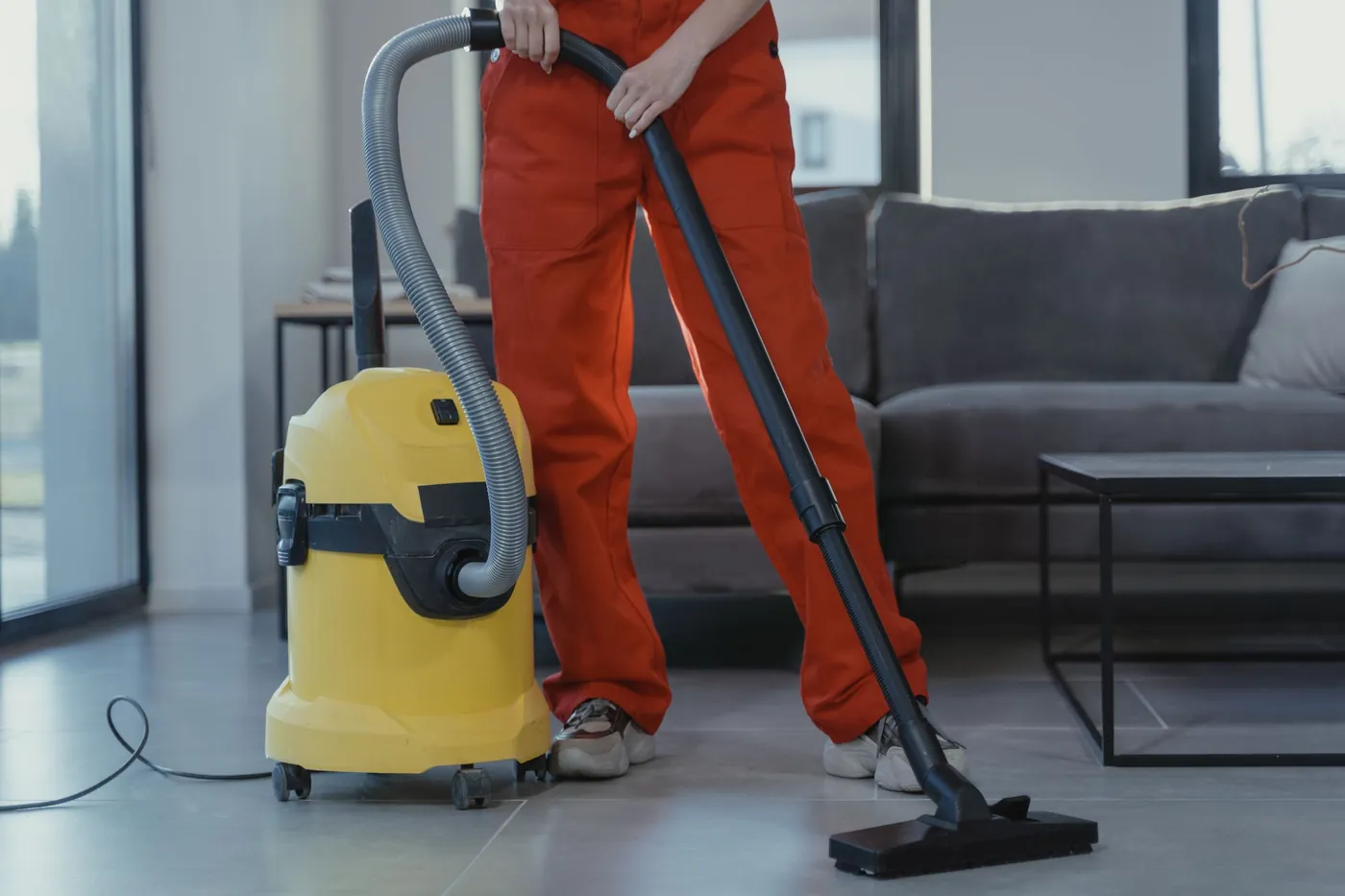
Wet slush should be blotted up right away with a towel, pressing down rather than rubbing, before it has a chance to dry into the fibers. Once salt has dried into a white, crusty residue, vacuum it first rather than wetting it. Wetting dried salt before removing the loose crystals just dissolves them back into the fibers and spreads the residue further.
For stubborn white salt marks after vacuuming, a mix of one part white vinegar to one part water, blotted onto the area with a clean cloth and then blotted dry, can loosen leftover residue on most synthetic carpet. Test it on a hidden corner first and let it dry before treating a visible spot, the same rule that applies to any carpet treatment. Avoid hot water on fresh salt stains, since heat can set the residue rather than lift it.
When salt residue is more than a surface problem
Salt and slush do not always stay at the surface. In entryways with a lot of foot traffic, moisture and salt can work down into the padding underneath the carpet, and padding holds onto that dampness far longer than the visible fibers do. Lower-level entries and mudrooms with limited airflow are especially prone to this, and a musty smell that will not go away with vacuuming or spot cleaning is usually a sign the problem has moved past what a towel and a vacuum can fix.
That is also the point where a rented carpet shampooer can make things worse. Those machines tend to push a lot of water into carpet without pulling much of it back out, and trapped moisture sitting on top of salt residue is a good way to end up with a damp, musty carpet that takes days to dry and does not actually solve the original problem.
A spring reset for Auburn entryways
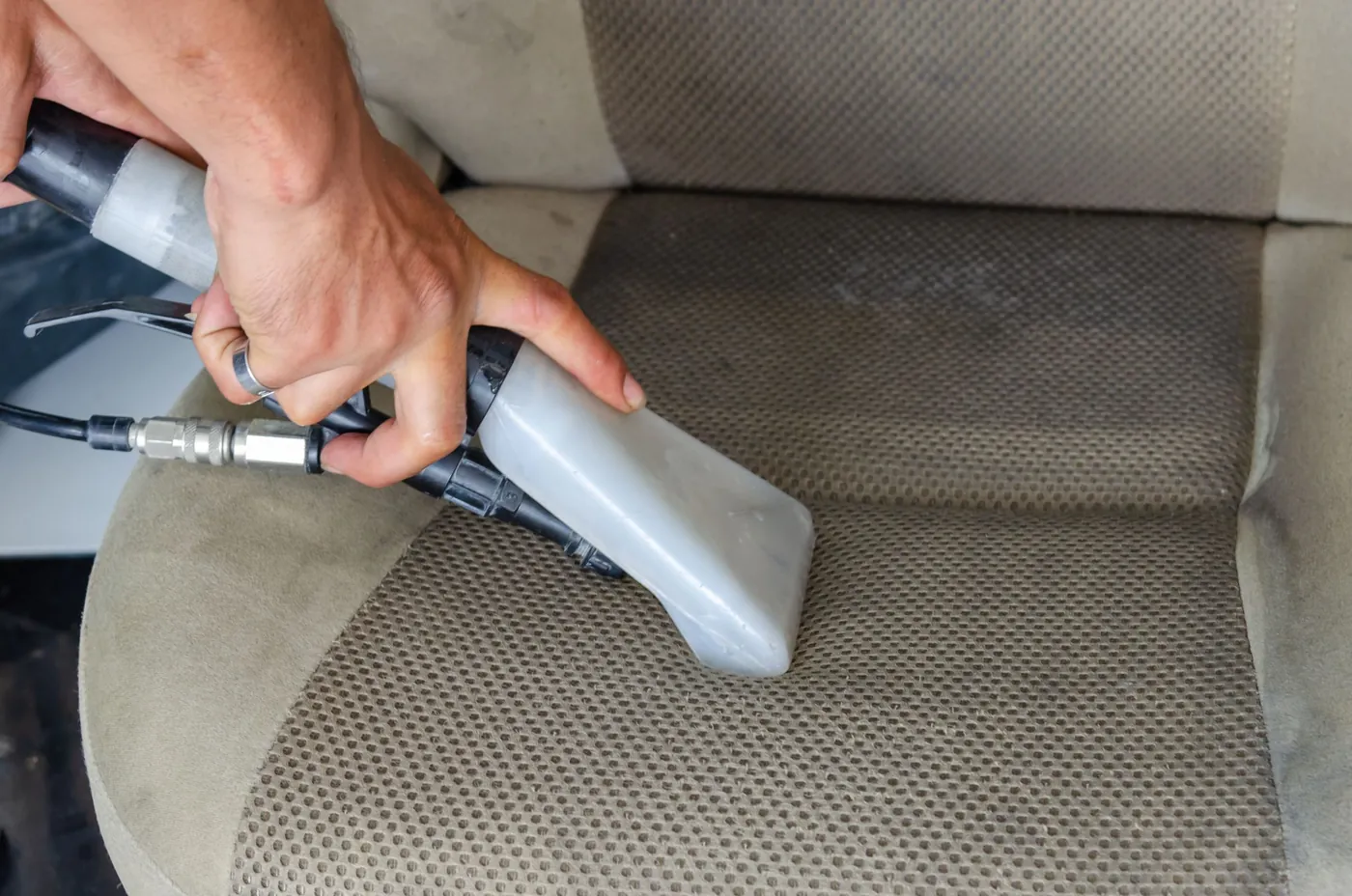
A professional cleaning in early spring is the simplest way to pull a whole winter of salt and grit out of entry carpet before it has a chance to wear the fibers down further. Belmax Cleaning uses a portable extraction machine with a low-moisture method, so carpet gets cleaned without being soaked the way a rental machine can soak it. Carpet starts at $50 for a standard room, stairs run $6 a step, and larger or open areas are priced at $0.40 per square foot over 300 square feet, with a $120 minimum per visit. The full breakdown is on our pricing page, and the final number is always confirmed with you before any cleaning starts.
Weliton and Ritha clean carpet and upholstery for homes across Auburn, from the streets near Drury Square to the Auburn Mall area, as part of our regular Worcester-area route out of Uxbridge. You can see the full list of services on the carpet cleaning page or book a visit online once the salt season has done its worst.
Frequently asked questions
Does road salt permanently stain carpet?
Not usually, if it is dealt with early. Fresh slush should be blotted up and dried salt should be vacuumed before any water touches it. Salt that has been ground in for a full winter, or left wet for a long time, is more likely to leave a lasting mark, which a professional low-moisture cleaning can usually improve even if full removal cannot be guaranteed.
Can vacuuming spread salt around instead of removing it?
No, a vacuum is the right first step for dried salt. The risk is wetting the salt before vacuuming, which dissolves the crystals back into the fibers. Vacuum the dried residue first, then treat any remaining mark with a damp cloth.
Why does my entryway carpet feel stiff or damp all winter?
Road salt is hygroscopic, which means it pulls moisture from the air and keeps the carpet slightly damp even when it looks dry. That is also why entry carpet tends to look dull faster than carpet elsewhere in the house during the winter months.
My basement entry smells musty after a snowy winter. What does that mean?
A musty smell usually means moisture and salt residue have worked down into the padding, not just the surface fibers. Lower-level entries with limited airflow are the most common spot for this in Auburn homes. That level of moisture is typically beyond what vacuuming or spot cleaning can fix and is a good reason to book a professional cleaning.
How much does carpet cleaning cost in Auburn, MA?
Belmax Cleaning prices carpet by room starting at $50, by the step for stairs at $6, or by square footage at $0.40 per sq ft for rooms over 300 sq ft, with a $120 minimum per visit. The final price is confirmed with you before any cleaning starts.
Related services
Serving