Dust mites are one of the things people blame most often on a mattress, and dust in bedding is a common household complaint in Central Massachusetts, especially during humid summers and closed-up winters. A mattress is an easy place for mites to settle because it stays warm, holds moisture from sweat overnight, and collects the skin flakes they feed on.
This guide looks at what cleaning your mattress and bedding actually changes, what it does not change, and when a professional cleaning is worth adding to the routine. We want to be upfront about one thing first: cleaning is a practical household habit, not a medical treatment, and nothing here claims to cure or eliminate allergies.
What Dust Mites Are and Why Mattresses Attract Them
Dust mites are tiny creatures that live in household dust and feed on shed skin flakes, which people and pets drop constantly. They do not bite and do not carry disease, but their droppings and body fragments are a well-known allergen for people who are sensitive to them. A mattress is one of their favorite spots because it stays warm, holds body moisture overnight, and skin flakes build up in the fabric and padding over months and years.
Mites tend to do better in humidity above roughly 50 percent and struggle in drier air, which is one reason a damp, closed-up bedroom often has more of them than a dry one. Pillows, mattress toppers and the underside of a mattress resting on a non-breathable bed base can also hold onto moisture and give mites more room to multiply.
What Vacuuming and Hot-Water Washing Actually Remove
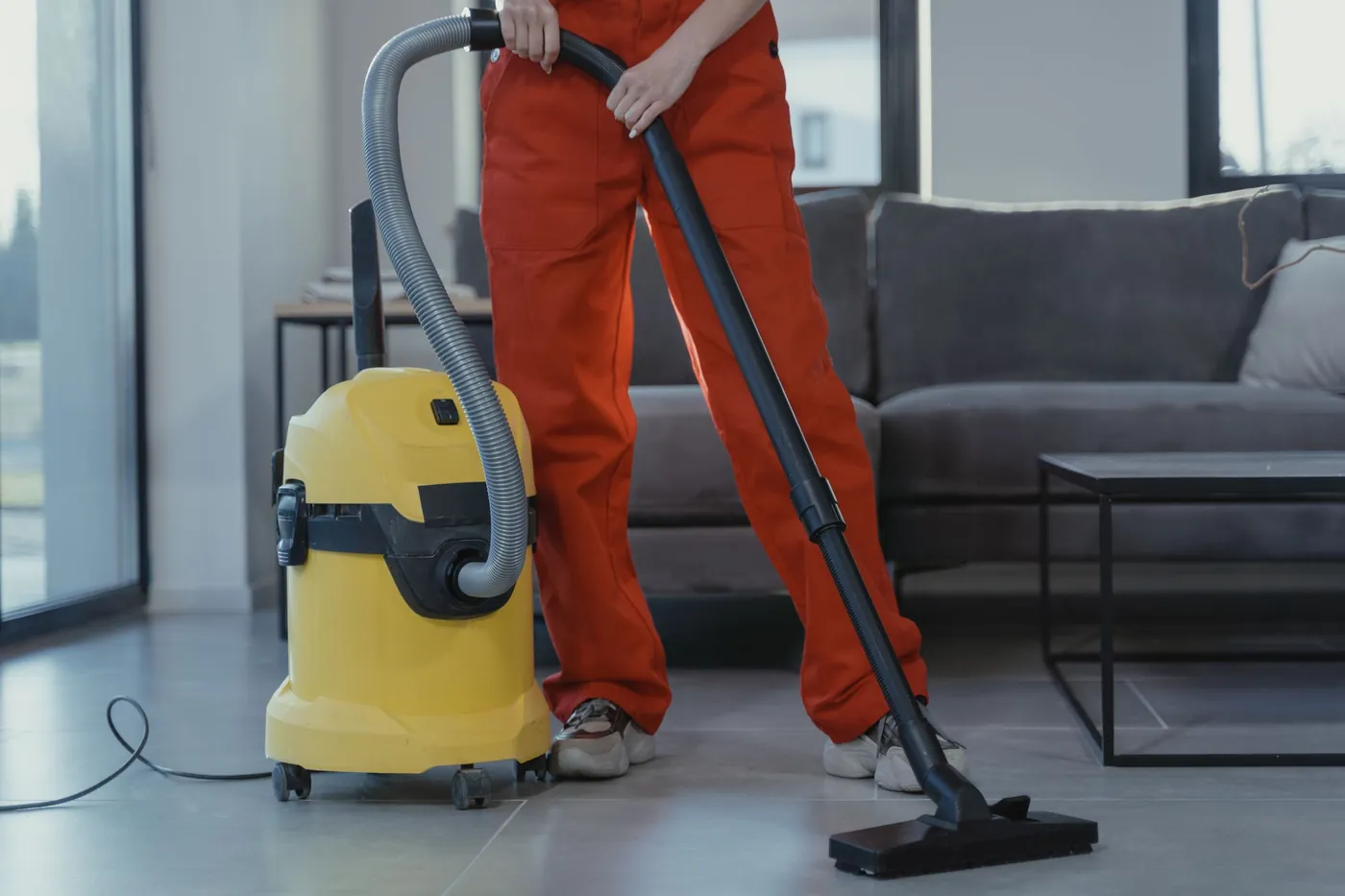
Vacuuming the mattress and washing bedding are the two habits with the most practical impact on the dust and debris mites feed on. A vacuum with an upholstery attachment, run slowly over the top, sides and seams, pulls surface dust, skin flakes and mite droppings out of the top layers of fabric, which is the material mites rely on most.
Washing sheets, pillowcases and mattress pads weekly in hot water, generally 130°F or higher when the fabric care label allows it, and drying on a hot cycle removes a large share of what has collected since the last wash. These two habits do not reach what has settled deep inside the mattress itself, but they keep the surface layer, the part you actually touch every night, cleaner.
Mattress Protectors, Sunlight and Humidity Control
A washable, allergen-rated mattress protector is one of the most practical long-term steps, because it creates a barrier between you and the mattress padding and is easy to strip off and wash along with the sheets. Pillow encasements do the same job for pillows, which collect just as much dust and skin flakes as a mattress over time.
Keeping bedroom humidity on the lower side, generally under 50 percent, makes the room a less comfortable place for mites, and a dehumidifier or just running the air conditioner in summer can help in Central Massachusetts homes. On a dry, sunny day, pulling back the sheets and letting fresh air and sunlight into the room for a few hours is a low-cost habit many people use alongside regular vacuuming, though it supports the routine rather than replacing washing and vacuuming.
What Cleaning Cannot Do
It is worth being honest about the limits here. No amount of home vacuuming, professional extraction cleaning or spot treatment makes a mattress completely free of dust mites or their allergens. Mites live inside the padding and layers of a mattress, not just on the surface, and nothing short of replacing the mattress reaches every layer.
Cleaning is also not a treatment for allergy symptoms, and we are careful not to suggest otherwise. If allergies are an ongoing concern, that is a question for a doctor or an allergist, not something a cleaning service can advise on. What regular cleaning offers is a lower dust and debris load in the part of the mattress you are in contact with most, which is a reasonable household habit on its own.
When a Professional Cleaning Helps
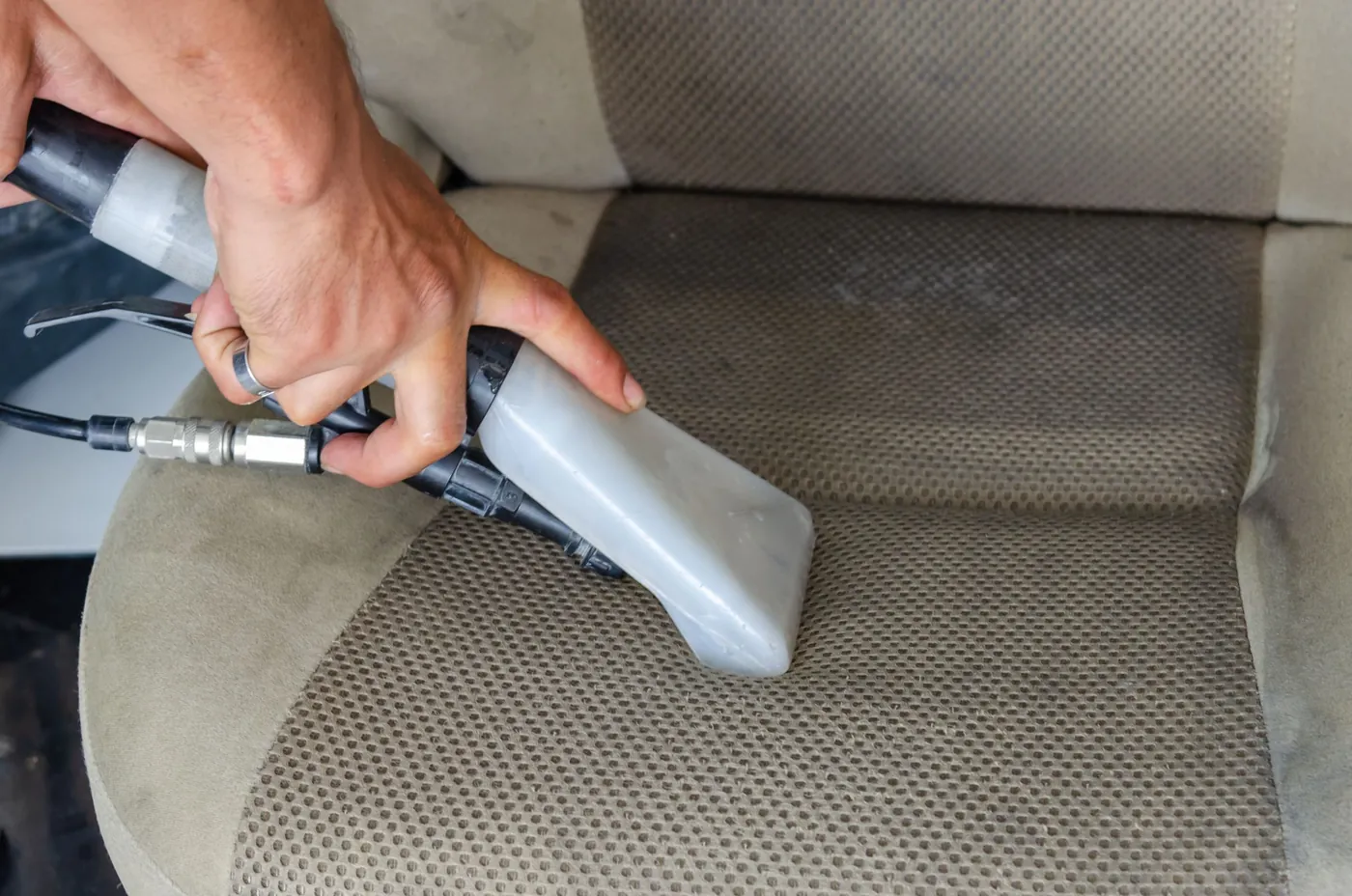
A professional mattress cleaning reaches deeper into the padding than a household vacuum, pulling out dust, skin flakes and other debris that a standard vacuum cannot get to. It makes sense when the mattress has not been deep-cleaned in a long time, when there are visible stains from sweat or spills, after a guest bed has sat unused for months, or as part of a seasonal routine alongside carpets and upholstery. Our guide on how to clean a mattress covers the at-home side step by step.
As with home methods, a professional cleaning reduces the dust and debris load in the mattress, it does not sterilize it or guarantee the mites are gone for good. We are upfront about what a cleaning can and cannot change before the job starts.
What Belmax Does and What It Costs
Belmax Cleaning is run by Weliton and Ritha, a husband-and-wife team based in Uxbridge who serve the Blackstone Valley, the Worcester area and MetroWest. For mattress cleaning, we use a portable extraction machine with a low-moisture method, so the mattress gets cleaned without being soaked, which matters because trapped moisture is exactly what helps mites and musty smells along.
Prices start at $90 for a Twin, $110 for a Full, $130 for a Queen and $150 for a King, with a $120 minimum per visit, and the final price is confirmed with you before we start. See the full list on our pricing page. If you are not happy with the result, we come back and redo it at no cost, though some stains are permanent and complete removal is never guaranteed. When you are ready, you can book your mattress cleaning online in a couple of minutes.
Frequently asked questions
Does cleaning my mattress get rid of dust mites completely?
No. Vacuuming and professional cleaning reduce the dust, skin flakes and debris mites feed on, but mites live inside the padding and layers of a mattress, and no cleaning method removes all of them. Regular vacuuming and hot-water washing of bedding are practical habits, not a guarantee.
What temperature should I wash bedding to deal with dust mites?
Many care labels allow at least 130°F, the temperature most often mentioned for reducing what collects in sheets and pillowcases over a week. Always check the fabric care label first, since not every fabric can handle hot water.
Does a mattress protector actually help?
A washable, allergen-rated mattress protector creates a barrier between you and the mattress padding, so dust, skin flakes and spills stay on a layer you can strip off and wash regularly. It is one of the simplest long-term habits for keeping a mattress cleaner.
Can professional mattress cleaning help with allergies?
We are careful not to make that claim. Professional cleaning reduces the dust and debris load in the mattress, which some households include as part of a broader routine, but it is not a medical treatment and will not cure or eliminate allergies. Talk to a doctor about allergy symptoms.
How much does mattress cleaning cost with Belmax?
Prices start at $90 for a Twin, $110 for a Full, $130 for a Queen and $150 for a King, with a $120 minimum per visit. The final price depends on size and condition and is confirmed before any work starts.
Related services
Serving